


Choosing a CBD product for your dog can be confusing, especially when you come across terms such as full-spectrum CBD, broad-spectrum CBD, CBD isolate, and hemp extract. Although these products may look similar at first glance, their cannabinoid profiles can be different.
For dog owners exploring CBD for dogs, understanding these differences is important before choosing a product. Full-spectrum and broad-spectrum CBD both contain cannabidiol (CBD), but the key distinction is their THC content and the range of naturally occurring hemp compounds they retain.
This guide explains full-spectrum vs broad-spectrum CBD for dogs, how each is made, what makes them different, and what pet owners should consider when evaluating CBD products.
What Is CBD for Dogs?
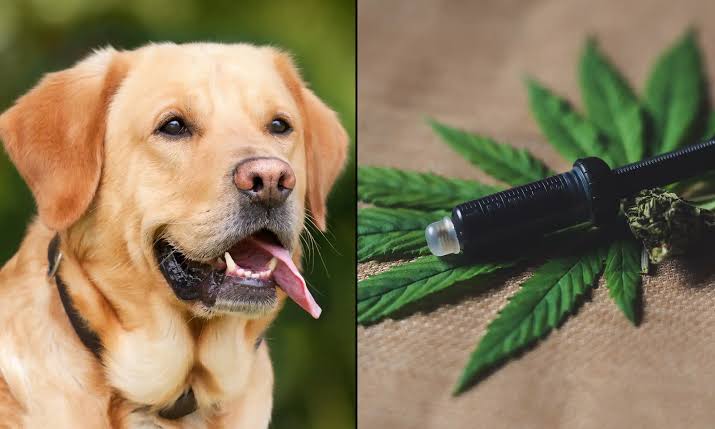
CBD, or cannabidiol, is a naturally occurring cannabinoid found in hemp and cannabis plants. Hemp-derived CBD products for dogs are generally formulated without the intoxicating effects associated with THC.
CBD products designed for pets may come in different forms, including:
- CBD oil
- CBD treats
- Soft chews
- Capsules
- Topical products
For this reason, CBD oil for dogs is only one category within the broader pet CBD market.
The quality and composition of these products can vary significantly, making it important to read labels and look for independent laboratory testing.
What Is Full-Spectrum CBD for Dogs?
Full-spectrum CBD contains CBD along with other naturally occurring compounds found in hemp.
Depending on the product, these compounds may include:
- CBD
- Other cannabinoids
- Terpenes
- Flavonoids
- Trace amounts of THC
The exact cannabinoid profile depends on the hemp source and extraction process.
Because full-spectrum products retain more of the plant’s naturally occurring compounds, some manufacturers market them as a more complete hemp extract.
However, full-spectrum does not automatically mean better or more effective for every dog.
What Is Broad-Spectrum CBD for Dogs?
Broad-spectrum CBD also contains CBD and other hemp compounds, but it is processed to remove THC.
A broad-spectrum product may contain:
- CBD
- Other cannabinoids
- Terpenes
- Flavonoids
The important distinction is that manufacturers specifically process broad-spectrum extracts to eliminate THC to very low or non-detectable levels, depending on the product and testing method.
This makes broad-spectrum CBD an option for pet owners who want a multi-compound hemp extract while avoiding intentionally added THC.
Full-Spectrum vs Broad-Spectrum CBD: The Main Difference
The biggest difference is THC.
Full-Spectrum CBD
Contains CBD and other naturally occurring hemp compounds, including potentially trace amounts of THC.
Broad-Spectrum CBD
Contains CBD and other hemp compounds but is processed to remove THC.
This distinction is especially important when choosing products for animals because dogs can respond differently to cannabinoids than humans.
Full-Spectrum vs Broad-Spectrum CBD for Dogs: Comparison
1. THC Content
This is the clearest difference.
Full-spectrum CBD may contain trace THC, while broad-spectrum CBD is formulated to remove THC.
Pet owners should always check the product’s Certificate of Analysis (COA) instead of relying solely on marketing claims.
2. Cannabinoid Profile
Full-spectrum products generally retain a broader range of cannabinoids naturally present in hemp.
Broad-spectrum products can also contain multiple cannabinoids, but THC is removed during processing.
Therefore, both products can contain more than just CBD.
3. Terpenes and Other Plant Compounds
Both full-spectrum and broad-spectrum products may retain naturally occurring terpenes and other hemp compounds.
The exact profile depends on how the product is manufactured.
4. Product Processing
Full-spectrum extracts generally undergo processing designed to preserve a broad range of naturally occurring hemp compounds.
Broad-spectrum products require additional processing to remove THC.
This can affect the final cannabinoid and terpene profile.
What Is CBD Isolate?
When comparing full-spectrum and broad-spectrum CBD, it is also helpful to understand CBD isolate.
CBD isolate is a highly purified form of cannabidiol containing CBD without the other cannabinoids and terpenes found in full- or broad-spectrum hemp extracts.
In simple terms:
Full-spectrum: CBD + other hemp compounds + potentially trace THC
Broad-spectrum: CBD + other hemp compounds, with THC removed
CBD isolate: CBD without the other major hemp compounds
This gives pet owners three broad formulation categories to compare.
What Is the Entourage Effect?
You may have heard CBD brands talk about the entourage effect.
The term refers to the idea that different cannabis compounds may interact with one another and potentially produce different effects when used together than when isolated.
Full-spectrum products contain a broader collection of naturally occurring compounds, which is why the entourage effect is frequently mentioned in discussions about them.
However, claims about the entourage effect—particularly regarding specific outcomes in dogs—should be interpreted cautiously because research in veterinary medicine is still developing.
Which Is Better for Dogs: Full-Spectrum or Broad-Spectrum CBD?
There isn’t a universal answer.
The right choice depends on factors such as:
- Your veterinarian’s recommendation
- Your dog’s health
- Current medications
- Product quality
- Laboratory testing
- Your preference regarding THC
- The specific product formulation
Instead of assuming that one type is automatically superior, focus on finding a transparent, appropriately formulated product.
Why THC Matters When Choosing CBD for Dogs
THC deserves special attention because dogs can be sensitive to it.
Unlike CBD, THC is intoxicating and can cause unwanted effects in dogs.
For this reason, pet owners should avoid assuming that a human CBD product is appropriate for their dog.
Always check:
- THC concentration
- CBD concentration
- Complete ingredient list
- Third-party laboratory results
A product marketed as “hemp” is not automatically suitable for dogs.
Why Third-Party Testing Is Important
Third-party laboratory testing is one of the most important things to look for when purchasing CBD for dogs.
Independent testing can help verify:
- CBD concentration
- THC concentration
- Other cannabinoids
- Pesticide contamination
- Heavy metals
- Microbial contaminants
- Residual solvents, depending on the test
Look for a Certificate of Analysis (COA) from an independent laboratory.
Ideally, the COA should correspond to the specific batch or lot number of the product.
How to Read a CBD Product Label for Dogs
Before purchasing CBD oil or treats, check the label carefully.
Look for:
1. CBD Concentration
The product should clearly state how much CBD it contains.
2. THC Information
Check whether THC is present and at what concentration.
3. Ingredients
Look for a complete list of ingredients.
4. Serving Information
The label should provide clear instructions for the product.
5. Batch or Lot Number
This can help you match the product to its laboratory report.
6. Manufacturer Information
A reputable company should provide clear information about who makes the product.
Does Full-Spectrum CBD Contain THC?
It can.
Full-spectrum hemp extracts may contain naturally occurring THC, usually in small amounts depending on the source and applicable legal requirements.
Therefore, pet owners should never assume that “full-spectrum” means THC-free.
If avoiding THC is a priority, look for a broad-spectrum or isolate product and verify the laboratory results.
Is Broad-Spectrum CBD Completely THC-Free?
Broad-spectrum products are processed to remove THC, but consumers should still verify the product’s COA.
Terms such as “THC-free” should ideally be supported by independent laboratory testing.
Different laboratories may use different detection limits, so reading the actual test report provides more information than relying only on the front label.
Are Full-Spectrum and Broad-Spectrum CBD Safe for Dogs?
Safety depends on the individual dog, the product, the amount administered, and other factors.
Research into CBD use in dogs is ongoing. Some studies have investigated its pharmacokinetics and potential applications, but evidence does not support treating CBD as universally safe or effective for every condition.
Possible adverse effects reported in dogs can include:
- Drowsiness
- Gastrointestinal upset
- Changes in appetite
- Changes in activity levels
Dogs taking medication may require additional consideration because CBD can interact with certain drugs.
Always consult your veterinarian before introducing CBD into your dog’s routine.
Full-Spectrum vs Broad-Spectrum CBD for Senior Dogs
Senior dogs may have different wellness needs than younger dogs.
They may also be more likely to:
- Take prescription medications
- Have chronic health conditions
- Experience changes in liver or kidney function
- Have altered metabolism
Therefore, choosing a CBD product for an older dog should involve veterinary guidance.
Don’t assume that a product marketed specifically for “senior dogs” is automatically appropriate.
Full-Spectrum vs Broad-Spectrum CBD for Dogs With Anxiety
Some pet owners search for CBD for dog anxiety, but it’s important to separate consumer interest from established veterinary evidence.
Anxiety can have many causes, including:
- Separation
- Noise sensitivity
- Environmental changes
- Previous trauma
- Medical problems
- Aging-related changes
A veterinarian can help identify the underlying cause and recommend appropriate behavioral or medical treatment.
CBD should not replace professional evaluation or proven treatment strategies.
Can You Give Dogs Human CBD Oil?
It is generally better to avoid assuming that a human CBD product is suitable for your dog.
Human formulations may contain ingredients that aren’t appropriate for animals.
For example, some products may contain:
- Artificial sweeteners
- Flavoring agents
- Essential oils
- Other ingredients that may be unsuitable for pets
Choose products specifically formulated for dogs and review the complete ingredient list.
How to Choose High-Quality CBD for Dogs
Whether you choose full-spectrum or broad-spectrum CBD, product quality should be a priority.
Consider the following checklist:
1. Look for Independent Testing
Choose products with accessible third-party laboratory reports.
2. Check the COA
Verify CBD and THC concentrations against the product label.
3. Read the Ingredients
Make sure you understand everything included in the formula.
4. Look for Clear Product Information
Avoid products with vague or incomplete labeling.
5. Consider Hemp Source
Transparent manufacturers should provide information about their hemp sourcing and production practices.
6. Avoid Unsupported Medical Claims
Be cautious if a CBD company promises to cure diseases or replace veterinary treatment.
Common Mistakes Dog Owners Make
1. Choosing Based Only on Price
A cheap product isn’t necessarily a bargain if its contents aren’t independently verified.
2. Assuming More CBD Is Better
Higher potency doesn’t automatically mean a better product or a better choice for your dog.
3. Ignoring THC Content
Always check the laboratory results, particularly with full-spectrum products.
4. Using Human Products
Human CBD products may contain ingredients that aren’t appropriate for dogs.
5. Skipping Veterinary Advice
CBD can interact with medications, so professional guidance is especially important for dogs with existing health conditions.
Also Read: Common Reasons Dog Owners Use CBD Products
Conclusion
When comparing full-spectrum vs broad-spectrum CBD for dogs, the biggest difference is the presence of THC. Full-spectrum CBD retains a wider range of naturally occurring hemp compounds and may contain trace amounts of THC, while broad-spectrum CBD contains multiple hemp compounds but is processed to remove THC.
Neither option is automatically the best choice for every dog.
Instead, focus on product quality, transparent labeling, third-party testing, COAs, ingredient safety, and veterinary guidance. If you’re considering CBD oil for your dog, choosing a product specifically formulated for pets is also important.
Most importantly, remember that CBD should not replace veterinary diagnosis or treatment. Research into CBD for dogs is still developing, so informed decisions and professional guidance are essential when adding any new supplement to your pet’s routine.