


Introduction
As pet owners, we all want what’s best for our furry companions — from healthy meals to daily walks and, increasingly, wellness supplements like CBD oil. Over the past few years, CBD oil for pets has become one of the most talked-about natural remedies for issues like anxiety, pain, and inflammation. But as demand has grown, so has the number of products on the market — and not all of them are created equal.
So how do you know which CBD oil is truly safe and effective for your dog or cat? That’s what this guide is here for. Whether you’re a first-time buyer or someone looking to upgrade your pet’s wellness routine, let’s explore how to choose the right CBD oil for your pet — one that supports their health without compromise.
Understanding CBD Oil for Pets
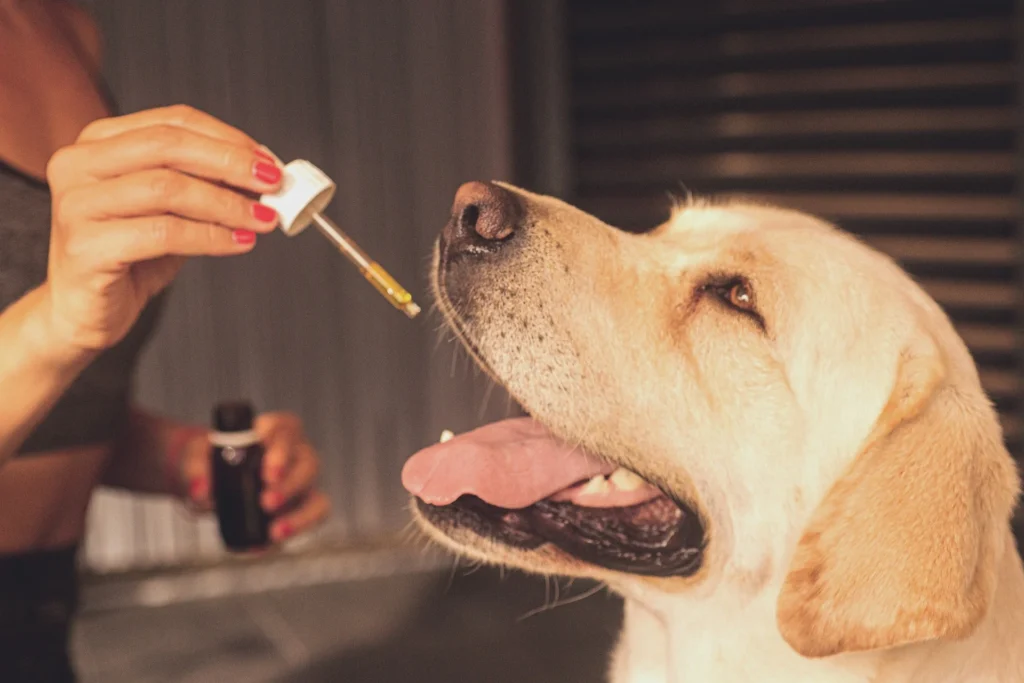
Before diving into buying tips, it’s essential to understand what CBD oil actually is. CBD (cannabidiol) is a naturally occurring compound found in the hemp plant — a cousin of marijuana, but with very low THC levels (less than 0.3%). This means CBD doesn’t make your pet “high.” Instead, it interacts with their endocannabinoid system (ECS) — a network of receptors that helps regulate mood, pain, sleep, and immune response.
When used properly, CBD oil can help:
- Reduce anxiety and stress
- Soothe chronic pain or inflammation
- Support joint health and mobility
- Improve appetite and sleep quality
- Promote general wellness and balance
But results depend heavily on product quality, dosage, and formulation — which is why choosing the right one matters.
1. Start with Hemp Source: Where It Comes From Matters
The best CBD oils start with high-quality hemp. Look for products made from organically grown, non-GMO hemp sourced from reputable farms in the U.S. or Europe. These regions follow strict agricultural standards that limit pesticide and heavy metal use.
Why this matters: Hemp is a bioaccumulator, meaning it absorbs everything from the soil it’s grown in — both the good and the bad. So if it’s cultivated in contaminated soil, those toxins could end up in your pet’s CBD oil.
Pro Tip: Look for brands that clearly mention their hemp source on the label or website. Transparency here is a good sign of quality and integrity.
2. Choose the Right Spectrum: Full, Broad, or Isolate
CBD products typically come in three main types — and each affects pets differently.
- Full-Spectrum CBD: Contains all the cannabinoids, terpenes, and trace amounts of THC (<0.3%). Many believe these compounds work together to create the entourage effect, enhancing therapeutic benefits.
- Broad-Spectrum CBD: Similar to full-spectrum but with zero THC. It’s ideal for pet owners concerned about any THC exposure.
- CBD Isolate: Pure CBD without other plant compounds. It’s great for pets with sensitivities but may offer less holistic benefit.
For most pets, broad-spectrum CBD oil strikes the best balance between effectiveness and safety. It delivers the synergistic benefits of multiple cannabinoids without any THC risk.
3. Check the Extraction Method
How CBD is extracted from hemp affects both its purity and potency. The CO₂ extraction method is considered the gold standard — it uses pressurized carbon dioxide to pull CBD and other beneficial compounds from the plant without harmful solvents or residues.
Avoid oils extracted using butane, propane, or ethanol unless they’re clearly marked as food-grade. These cheaper extraction methods can leave behind traces that irritate your pet’s stomach or reduce overall safety.
Look for: “CO₂ extracted,” “clean extraction,” or “solvent-free” on the product label.
4. Verify Third-Party Lab Testing (Certificate of Analysis)
One of the most important steps in choosing the right CBD oil for your pet is checking for third-party lab testing.
Reputable brands provide a Certificate of Analysis (COA) — a document from an independent laboratory confirming the product’s cannabinoid content and safety.
A proper COA should show:
- The exact levels of CBD and THC
- Results for pesticides, heavy metals, and residual solvents
- Confirmation that the product is free of harmful contaminants
If a company doesn’t make this report easily accessible — either on its website or via QR code — that’s a red flag. Transparency builds trust, and your pet’s health deserves nothing less.
5. Pay Attention to Ingredients
CBD oil should be simple and natural. Beyond the hemp extract itself, the product usually contains a carrier oil (like MCT oil, coconut oil, or hemp seed oil) to aid absorption.
What you don’t want are unnecessary additives like:
- Artificial flavors or colors
- Chemical preservatives
- Sweeteners or essential oils that can be toxic to pets (like xylitol or tea tree oil)
Pro Tip: Choose oils specifically labeled “for pets” instead of generic human CBD oil. Pet-specific formulations are designed with animal-safe ingredients and appropriate potencies.
6. Pick the Right Potency for Your Pet’s Size
CBD oils come in various strengths, usually measured in milligrams (mg) of CBD per bottle. The right potency depends on your pet’s weight and condition.
Here’s a general guide:
- Small pets (under 20 lbs): 150–300 mg bottles
- Medium pets (20–60 lbs): 300–600 mg bottles
- Large pets (60+ lbs): 600–1200 mg bottles
Always start with a low dose and gradually increase until you find the right balance. The goal is to achieve noticeable benefits without over-sedating your pet.
Remember — consistency matters more than high doses.
7. Flavor and Palatability Matter Too
Pets can be picky. Some love the natural, earthy flavor of hemp oil, while others may turn their noses up at it. That’s why many pet CBD oils come in pet-friendly flavors like bacon, chicken, or salmon.
If your pet refuses plain oil, try mixing it into their food or choosing CBD-infused treats instead. The key is to make it easy and enjoyable for them to consume regularly.
8. Read Customer Reviews and Brand Reputation
In an industry as new and fast-growing as CBD, reputation counts for a lot. Before buying, take a few minutes to read customer reviews on third-party platforms or social media.
Look for feedback about:
- Product consistency and taste
- Noticeable effects (e.g., reduced anxiety, better mobility)
- Responsiveness of customer support
- Shipping and transparency
Brands that have been around for a while and are open about their processes are generally more trustworthy.
9. Consider Your Pet’s Specific Needs
Not all CBD oils are created for the same purpose. Some formulations target joint support, others focus on calming or immune health.
For example:
- For anxiety: Look for CBD oils blended with calming herbs like chamomile or valerian root.
- For pain and inflammation: Choose full- or broad-spectrum oils with added terpenes like beta-caryophyllene.
- For general wellness: Go for simple, clean formulations with organic ingredients.
Understanding your pet’s needs will help you select a product that actually delivers results.
10. Consult Your Veterinarian
While CBD is widely considered safe for pets, it’s always smart to consult your veterinarian before starting. A vet can:
- Help determine the right dosage
- Check for potential drug interactions
- Recommend trusted brands or formulations
This is especially important if your pet is on prescription medication or has chronic health conditions.
11. Avoid Unrealistic Claims
If a brand promises that their CBD oil will “cure” your pet’s anxiety or arthritis overnight — that’s a red flag. CBD is not a miracle drug; it’s a natural compound that supports the body’s balance and healing processes over time.
Look for brands that are honest and transparent in their marketing. Real results are gradual and come with consistency, not hype.
12. The Price Factor: Don’t Go for the Cheapest Option
When it comes to CBD oil, you truly get what you pay for. Ultra-cheap products often cut corners — using low-grade hemp, skipping lab testing, or diluting CBD content.
Instead, focus on value over cost:
- How transparent is the company?
- What extraction method do they use?
- Do they back their product with lab results and a satisfaction guarantee?
Investing in a high-quality product ensures your pet receives real benefits — safely.
Also Read: Is CBD Safe for Exotic Pets? Exploring Lesser-Known Uses
Final Thoughts
At the end of the day, choosing the right CBD oil for your pet comes down to one simple principle — purity and transparency matter most. A reputable brand will proudly share everything about their process, from hemp sourcing to lab results.
Your furry friend deserves a product that’s safe, effective, and tailored to their unique needs. So take your time, do a little research, and don’t hesitate to ask questions before you buy. When chosen wisely, CBD oil can be a powerful ally in supporting your pet’s comfort, calm, and overall quality of life.