


Introduction
As our beloved pets age, they often begin to face many of the same health challenges we do—especially when it comes to joint pain and reduced mobility. Watching your once-energetic dog struggle to get up from the floor, or your spry cat hesitate before jumping onto the windowsill, can be heartbreaking. For pet owners seeking a natural solution to support their aging companion’s comfort and quality of life, CBD oil has emerged as a promising option.
But how effective is CBD for aging pets suffering from joint pain and stiffness? Is it safe? And what does the science actually say?
In this blog, we’ll explore how CBD interacts with a pet’s body, what benefits it may offer for senior dogs and cats, and what pet parents should know before introducing it into their pet’s daily routine.
Understanding Joint Pain and Mobility Issues in Aging Pets
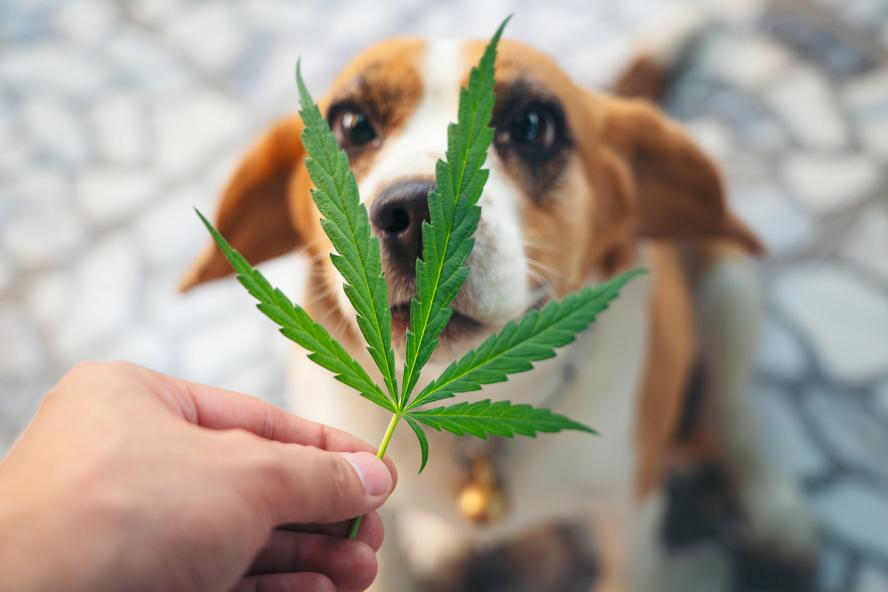
As pets grow older, wear and tear on their joints can lead to degenerative conditions like osteoarthritis, hip dysplasia, or general stiffness. These issues can manifest in various ways:
- Difficulty climbing stairs or getting into cars
- Limping or favoring one leg
- Reduced interest in play or exercise
- Swollen or tender joints
- Behavioral changes due to chronic pain
In dogs, osteoarthritis is particularly common—affecting at least 20% of dogs over the age of one, with prevalence increasing significantly in senior dogs. In cats, the signs of joint pain can be more subtle but equally impactful.
Traditionally, veterinarians may prescribe NSAIDs (non-steroidal anti-inflammatory drugs) or other pain relievers. However, these medications may cause side effects, especially with long-term use, including digestive upset, liver stress, or kidney damage. This has prompted many pet parents to explore natural supplements like CBD as a gentler alternative.
What Is CBD and How Does It Work in Pets?
CBD (cannabidiol) is a non-intoxicating compound derived from the hemp plant. Unlike THC (tetrahydrocannabinol), it does not produce a “high” and is generally well-tolerated by both dogs and cats.
CBD interacts with the endocannabinoid system (ECS)—a complex signaling network found in all mammals. The ECS helps regulate essential functions such as:
- Pain perception
- Inflammation
- Immune response
- Mood and stress
- Appetite and sleep
When CBD enters the body, it doesn’t bind directly to cannabinoid receptors like THC does. Instead, it modulates these receptors and encourages the body to produce its own endocannabinoids—enhancing the ECS’s ability to maintain balance or homeostasis.
For aging pets, this regulatory support may help reduce pain and inflammation, improve mobility, and enhance overall well-being.
Can CBD Really Help with Joint Pain in Aging Pets?
While formal veterinary studies on CBD are still growing, a number of preclinical studies and anecdotal reports suggest that CBD can be beneficial in managing joint-related discomfort in pets.
1. Anti-Inflammatory Effects
CBD is known for its powerful anti-inflammatory properties. Joint pain in older pets is often the result of chronic inflammation in the joints. By calming the inflammatory response, CBD may help reduce swelling, stiffness, and discomfort.
In a 2018 Cornell University study, dogs with osteoarthritis were given CBD oil twice daily for four weeks. The results showed a significant decrease in pain and increase in activity levels—without any reported side effects.
2. Pain Management
CBD may help dull the perception of pain by interacting with serotonin and vanilloid receptors. These pathways play key roles in regulating how the body experiences and responds to pain.
Pet owners often report that after starting CBD, their dogs or cats appear more comfortable, rest better, and are more willing to move around.
3. Improved Mobility
Pain and inflammation often restrict movement. By addressing both, CBD can help pets regain some of their former agility. Some senior pets on CBD have shown renewed interest in walks, playtime, and even jumping up onto couches again.
4. Better Sleep and Mood
Chronic pain can affect a pet’s mood and sleep patterns. CBD’s calming effects on the nervous system may promote deeper rest and reduce anxiety, both of which are important for healing and quality of life.
Is CBD Safe for Senior Pets?
CBD is generally considered safe and well-tolerated by pets, especially when sourced from high-quality products made specifically for animals. However, there are a few important safety considerations:
- Start Low and Go Slow: Begin with a low dose and monitor your pet’s response. Gradually increase the dosage if needed.
- Watch for Side Effects: Mild side effects may include drowsiness, dry mouth, or changes in appetite. These usually resolve with dosage adjustment.
- Veterinary Oversight: Always consult your veterinarian before starting your pet on CBD—especially if your pet is on medications, as CBD can interact with liver enzymes that metabolize drugs.
- Choose Pet-Specific Products: Human CBD oils may contain ingredients (like xylitol or essential oils) that are toxic to pets. Always use formulas made specifically for animals.
How to Choose the Right CBD Product for Your Aging Pet
With the rising popularity of CBD for pets, the market is flooded with products—but not all are created equal. Here are some tips to ensure you’re giving your pet a safe, effective product:
1. Full-Spectrum vs. Isolate
Full-spectrum CBD contains a range of cannabinoids and terpenes that work together to enhance therapeutic effects (known as the entourage effect). Broad-spectrum and isolate products are also available, but full-spectrum may offer superior benefits.
2. Third-Party Testing
Look for brands that offer third-party lab results to verify potency and ensure the product is free from heavy metals, pesticides, and harmful additives.
3. Organic Hemp Source
Choose products made from organically grown hemp to minimize the risk of chemical contamination.
4. Proper Dosing Instructions
Make sure the product includes clear dosing guidelines based on your pet’s weight and condition. Many pet CBD oils come with droppers marked for easy measurement.
5. Delivery Format
CBD for pets comes in various forms:
- CBD oil tinctures – absorbed quickly and allow flexible dosing
- CBD treats – convenient but less customizable
- CBD capsules – good for consistent dosing, but may be harder to give
Suggested CBD Dosage for Joint Pain in Pets
There is no one-size-fits-all dosage for CBD in pets. Factors such as your pet’s size, age, metabolism, and severity of symptoms all play a role.
As a general guideline:
- Small pets (under 20 lbs): 1–5 mg of CBD twice daily
- Medium pets (20–60 lbs): 5–15 mg twice daily
- Large pets (over 60 lbs): 15–30 mg twice daily
Always begin at the low end of the range and adjust gradually.
When CBD Might Not Be Enough
While CBD can be a powerful ally, it’s not a cure-all. Severe cases of arthritis or degenerative joint disease may require a multi-modal approach, including:
- Prescription medications
- Weight management
- Physical therapy or hydrotherapy
- Joint supplements (like glucosamine and chondroitin)
- Acupuncture or laser therapy
CBD can complement these therapies but should not replace essential medical care.
Also Read: How CBD Oil Improves Your Pet’s Sleep and Overall Well-Being
Conclusion
CBD offers a natural, gentle way to help aging pets cope with the discomfort of joint pain and regain some of the mobility and joy they once had. Though more clinical studies are needed, early research and countless success stories point to its potential as a valuable wellness tool for senior dogs and cats.
If you’re considering CBD for your aging pet, start with a high-quality, pet-safe product and involve your veterinarian in the process. With proper use, CBD may help your furry friend enjoy a more active, comfortable, and happy life in their golden years.