


Introduction
If you live with a hyperactive dog, you know how challenging constant restlessness, excessive barking, pacing, or difficulty settling down can be. High energy is normal for many breeds, but when hyperactivity becomes disruptive or stressful—for both the dog and the owner—people start looking for gentle ways to support calmer behavior. One option that often comes up is CBD.
CBD for dogs has gained attention as a potential wellness supplement, but does it actually help hyperactive dogs, or is it just another trend? The answer lies somewhere in the middle, and understanding what CBD can and cannot do is key to using it responsibly.
Understanding Hyperactivity in Dogs
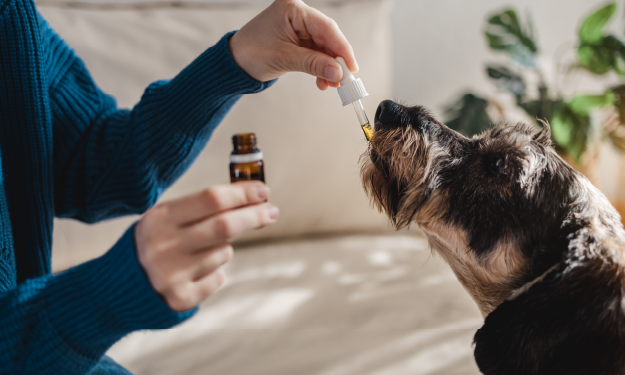
Before looking at CBD, it’s important to understand why a dog may appear hyperactive. In many cases, high energy is linked to natural breed traits, age, or lifestyle. Working breeds, young dogs, and puppies are naturally more energetic and require regular physical and mental stimulation.
However, persistent hyperactivity can also be influenced by anxiety, overstimulation, lack of routine, or difficulty self-regulating excitement. Dogs that struggle to calm themselves may appear constantly “on edge,” even after exercise. In these situations, supportive tools—not quick fixes—are often explored.
What Is CBD and How Does It Affect Dogs?
CBD, or cannabidiol, is a non-intoxicating compound derived from hemp. Dogs, like humans, have an endocannabinoid system (ECS), which plays a role in regulating balance-related functions such as mood, stress response, and nervous system activity.
CBD interacts indirectly with this system, which is why some pet owners explore it as a way to support calm behavior. Importantly, CBD does not sedate dogs or change their personality when used properly. Instead, it may help support emotional balance in dogs that are prone to overstimulation or stress-related behaviors.
Can CBD Calm a Hyperactive Dog?
CBD may help some dogs appear calmer, but it’s not a universal solution—and it won’t “fix” hyperactivity caused by boredom, lack of training, or unmet exercise needs.
For dogs whose hyperactivity is linked to anxiety, overstimulation, or difficulty settling, CBD may offer gentle support by helping the nervous system relax. Some pet owners report improvements such as:
- Easier settling after play
- Reduced pacing or restlessness
- Improved focus during training
- Less reactivity to everyday stimuli
That said, results vary widely. Some dogs respond well, while others show little to no change. CBD works best when used as part of a broader routine that includes training, structure, and enrichment.
What CBD Can and Cannot Do
One of the biggest misunderstandings around CBD for hyperactive dogs is expecting dramatic or instant results.
CBD can help with:
- Supporting calm behavior in overstimulated dogs
- Reducing stress-related restlessness
- Encouraging relaxation without sedation
CBD cannot:
- Replace exercise or mental stimulation
- Eliminate natural high-energy traits
- Act as a substitute for training or behavior work
- Instantly “calm” every dog
CBD is best viewed as a wellness supplement—not a behavior correction tool.
Is CBD Safe for Hyperactive Dogs?
When used responsibly and chosen carefully, CBD is generally considered well-tolerated by dogs. Most pet-specific CBD products are formulated to avoid THC, which dogs are highly sensitive to.
Potential side effects are usually mild and may include drowsiness, digestive upset, or temporary changes in appetite, especially if too much is given. Starting with a low amount and observing your dog’s response is essential.
If your dog is on medication or has an existing health condition, consulting a veterinarian before introducing CBD is strongly recommended.
Choosing the Right CBD for Dogs
Not all CBD products are created equal, and quality matters even more when it comes to pets. Look for products that are:
- Specifically formulated for dogs
- Made from hemp grown under regulated conditions
- Tested by third-party labs for purity and potency
- Free from artificial flavors, sweeteners, or harmful additives
Avoid using human CBD products unless advised by a veterinarian, as they may contain ingredients unsafe for dogs.
How Long Does It Take to See Results?
CBD does not work instantly for most dogs. Some may show subtle changes within a few days, while others may require consistent use over a longer period. Improvements, when they occur, are often gradual rather than dramatic.
It’s also important to track changes objectively. Look for patterns in behavior—such as easier settling after stimulation or improved focus—rather than expecting a sudden shift.
CBD Works Best Alongside Training and Routine
CBD is most effective when paired with good daily habits. Dogs benefit from predictable routines, adequate exercise, mental enrichment, and clear training boundaries. For hyperactive dogs, activities like structured walks, puzzle toys, obedience training, and calm-down routines are essential.
CBD may support these efforts by helping the dog relax enough to benefit from training—but it cannot replace them.
When CBD May Not Be the Right Choice
CBD may not be helpful if a dog’s hyperactivity is purely due to excess energy, insufficient stimulation, or inconsistent training. In these cases, lifestyle changes will have a much bigger impact than supplements.
It’s also not a substitute for professional help when behavior issues are severe or escalating. A veterinarian or certified behaviorist can help identify the root cause and recommend appropriate strategies.
Also Read: Using CBD as Part of a Daily Self-Care Routine
Final Thoughts
So, does CBD really help hyperactive dogs? For some dogs, yes—but only in the right context. CBD may support calmer behavior in dogs whose hyperactivity is linked to stress or overstimulation, but it is not a magic solution or a replacement for proper care.
Used responsibly, with realistic expectations and quality products, CBD can be one part of a balanced approach to supporting a dog’s emotional well-being. The key is understanding your dog’s needs, addressing the root causes of hyperactivity, and using CBD as a supportive tool—not a shortcut.